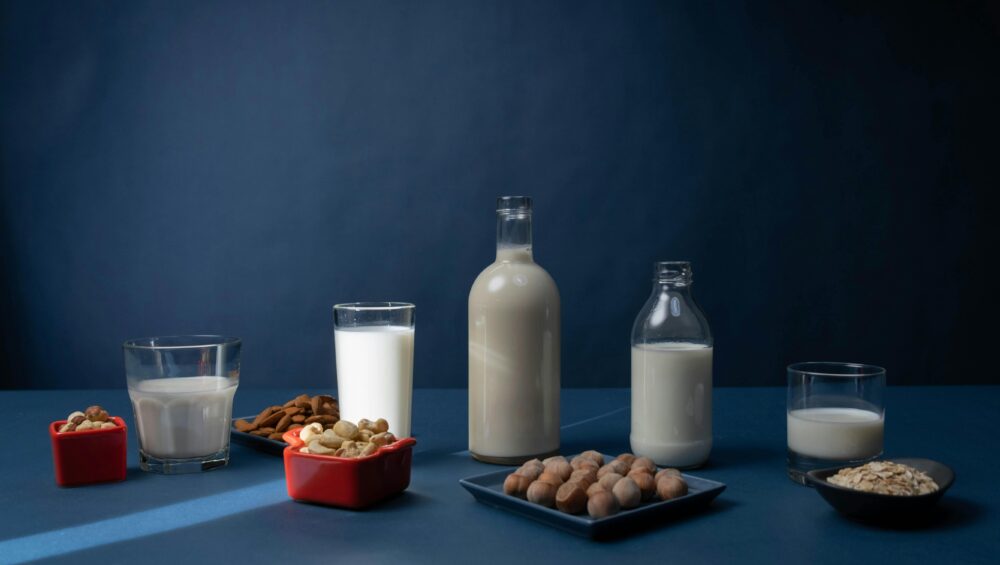
Dairy products are no longer the “ideal” choice for modern lifestyles.

For those familiar with Anthony William’s cleansing method, dairy products are the top priority food group to eliminate. 👉 Let’s explore the harmful effects of this top-ranking destructive food with iHeal! 👇

Dairy products, in all shapes and sizes, are the most comforting foods. Snacks like ice cream, pizza, macaroni and cheese, cheese sticks, milk and cereals, even string cheese, can be part of childhood memories of safety and happiness. However, any type of milk, whether fresh or pasteurized, can make life difficult. Though it sounds harsh, milk slows down liver function – making it sluggish and less efficient – ​​accelerating the formation of fatty liver disease. This prevents toxins from effectively exiting the liver (and therefore the body). Milk also overloads the pancreas, causing it to produce too much insulin and digestive enzymes, even in raw milk, and leading to increased insulin resistance due to the combination of fat and sugar in milk.

Dairy products feed pathogens that cause a wide range of illnesses, whether you feel any noticeable effects from consuming them or not. Even if you don’t experience bloating, gas, cramps, constipation, diarrhea, or loose stools from consuming milk, it’s still feeding viruses and bacteria that can cause other symptoms or conditions, including fatigue, skin problems, or reproductive issues such as polycystic ovary syndrome (PCOS), endometriosis, or uterine fibroids. If you consume unpasteurized raw milk, it will still feed pathogens. Also, don’t be fooled by lactose-free milk options or lactase enzyme supplements. Lactose isn’t the whole problem.

For people with sensitive digestive systems or allergies to milk, or those with lactose intolerance, milk causes absorption problems—that is, difficulty absorbing nutrients from food—because the digestive tract becomes excessively inflamed due to harmful bacteria, viruses, non-reproducing fungi, and/or mold already present in the intestinal lining, which feed on the milk that the person consumes.

For many people, consuming dairy products triggers a stronger allergic reaction in the body. Therefore, when the person is exposed to dirt, pollen, airborne debris, industrial chemicals, or mold, they will react because their immune system is already overloaded due to the milk feeding on internal pathogens such as Epstein-Barr virus; herpes simplex virus 1 or 2; cytomegalovirus; shingles; HHV-6; HPV; bacteria such as C. difficile, Streptococcus, E. coli, or Staphylococcus; or non-reproducing fungi. These pathogens overload the immune system. Then, when these pathogens are nourished by milk—a food that helps them thrive—they excrete methyltoxin as a byproduct. This pushes the immune system beyond its limits and creates a toxic crisis, causing susceptible individuals to experience a more severe allergic reaction.

If you are experiencing any of the following conditions or symptoms, you should consider reducing your milk intake or eliminating milk entirely from your diet while taking care of your health.
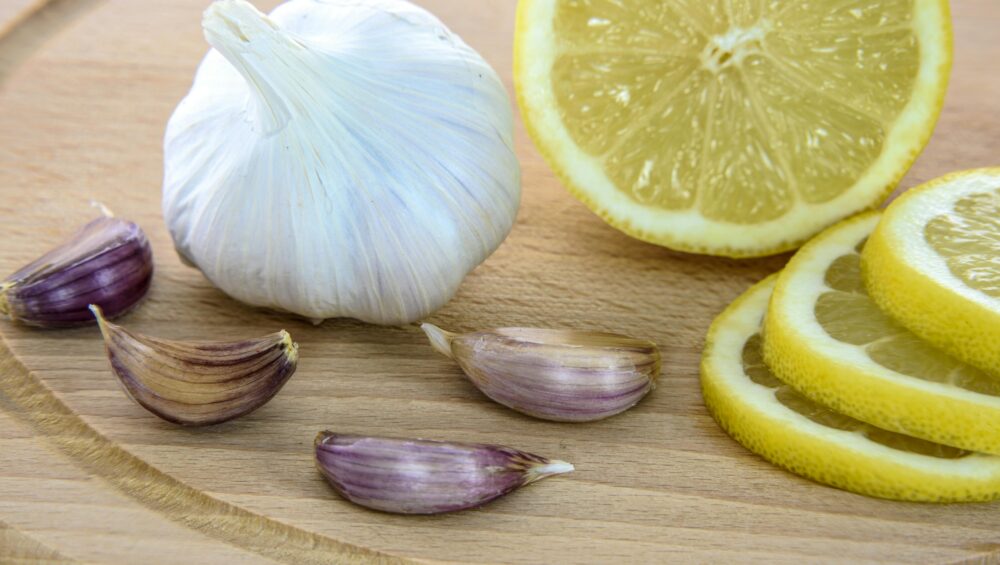
🧄 GARLIC THERAPY 🛡️🔥

Garlic can be your true “fighting ally” in the fight against real enemies: pathogens.

The sulfur-rich herbal compounds in garlic have a long-lasting effect, clinging to the body’s systems and wreaking havoc on invaders.
**Preventing disease:**
**Antiviral**
**Antibacterial**
**Antifungal**
**Antiparasitic**
**Antiworm**
**Antifungal**
**Anti-mold and harmful yeast**
**Even hidden viruses, influenza and COVID, RSV, avian flu and measles**
Contrary to some misconceptions, garlic does not kill beneficial bacteria in the gut.
**It only kills harmful bacteria, operating on positive frequencies.

Remember: a little garlic is enough to be effective.

If you are sensitive, you can start with a very small amount.
**Have you ever tried raw garlic? Share your thoughts with iHeal!**

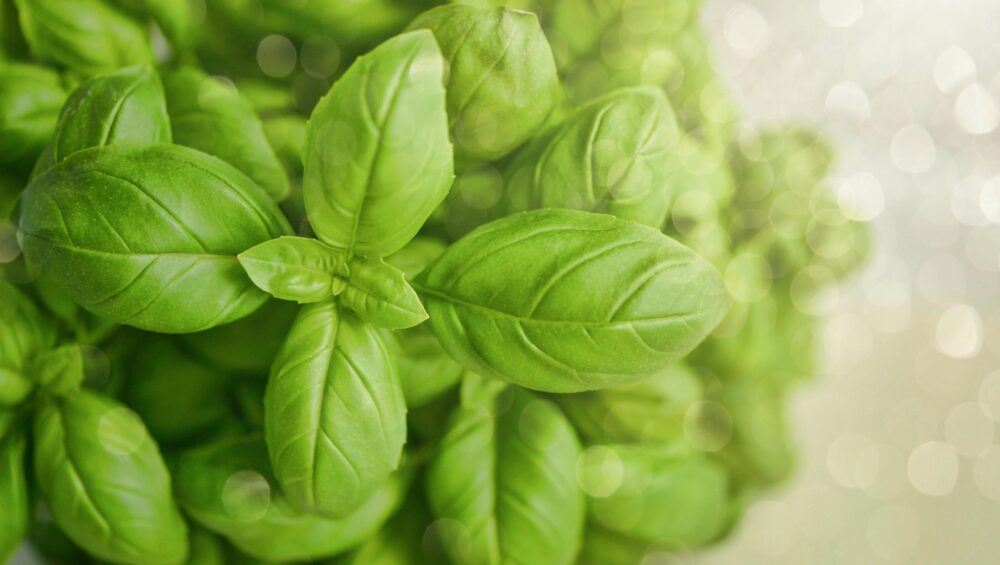
🌿BASIL – More than just a spice 😮

You might think basil is only for “enhancing” pesto/pizza, right? But according to Dr. Anthony William, basil is a healing herb, and many pathogens “don’t like” basil at all.

Basil is also a treasure trove of nutrients: chlorophyll, B vitamins, enzymes, minerals… and even digestive enzymes that help support a stronger digestive system. However, eating it incorrectly can reduce or eliminate many of its wonderful benefits.

Beyond physical benefits, basil is also mentioned as a “lesson” in forgiveness and emotional stability.

Learn more about basil in Anthony William’s *Life-Changing Foods* (supplementary & expanded edition)
Full Vietnamese translation:
https://docs.google.com/…/1j3TMx7iGkkC…/edit…
Basil Sauce Recipe:
2.5 cups fresh basil leaves, tightly packed
⅓ cup walnuts or pine nuts (omit if you want to avoid fat)
1 clove of minced garlic
1 to 2 tablespoons lemon juice, to taste
2 to 3 tablespoons ice water (purified water or spring water; omit if you want to avoid fat)
¼ teaspoon sea salt (optional)
Instructions:
– Gently wash and pat dry with paper towels. Remove the tough stems.

– Roast walnuts or pine nuts over medium heat until lightly golden and fragrant. Let cool before use (if using).

– Add basil leaves, roasted nuts (if using), garlic, and lemon juice to a food processor.

– If the pesto is too thick, you can add a little ice water, one tablespoon at a time, until you reach the desired consistency. Taste the pesto and adjust the lemon juice, salt, and other seasonings to your liking.

– Transfer the basil pesto to a clean jar or container. You can store the pesto in the refrigerator for a few days or freeze it in ice cube trays for longer preservation.

Tip:
– You can add half a chopped celery stalk along with 1 to 2 dates or 1 to 2 tablespoons of pure honey to the food processor if the sauce is too strong. This will still preserve the nutrients of the basil.

– Although high-quality sea salt or mountain salt is an optional ingredient in this recipe, the recipe will have better medicinal effects without salt. Over time, you may want to reduce or eliminate salt altogether.

PINEAPPLE – “It seems familiar, but it turns out there’s a secret to it”

Do you know how to ripen pineapple faster while ensuring better nutrient distribution?

Another interesting fact: pineapple is acidic, but when consumed, it’s described as “alkalizing” the body. Therefore, pineapple is not only delicious but also known for its role in supporting the liver and gallbladder through its own mechanisms, and for its ability to help with various conditions/symptoms when used correctly.

All of this will be revealed in the book *Foods That Change Lives* (supplemented & expanded edition) by Anthony William.

Stay tuned!

Refer to the Vietnamese translation here: https://docs.google.com/…/1CYNlwjtpxKDANjqNhEls…/edit…
Let’s make Pineapple Ginger Smoothie with iHeal (1–2 servings)
Ingredients:
2 cups pineapple (fresh/frozen)
2 cups mango (fresh/frozen)
1 peeled ginger slice (~2.5cm)
1 cup water or coconut water
6 ice cubes (only use if fruit is fresh)
Instructions:
Put pineapple + mango + ginger + water/coconut water into a blender and blend until smooth. If using fresh fruit, add ice and blend again. Drink immediately for best taste! This smoothie is best enjoyed for breakfast or as a snack.

BROCCOLI and CAULIFLOWER

Did you know that seemingly simple yet formidable, the bioavailable calcium in cruciferous vegetables is considered a more readily available form for the body?

Vitamin C and sulfur compounds work together as a “secret combo” in cruciferous vegetables.

Furthermore, the often-forgotten benefits and optimal preparation methods for maximizing their nutritional value will be revealed in the book *Life-Changing Foods* (Supplement & Expansion) by Anthony William.

See the full Vietnamese translation at this link:

https://docs.google.com/…/1l0_e3meP9D52Bn…/edit…

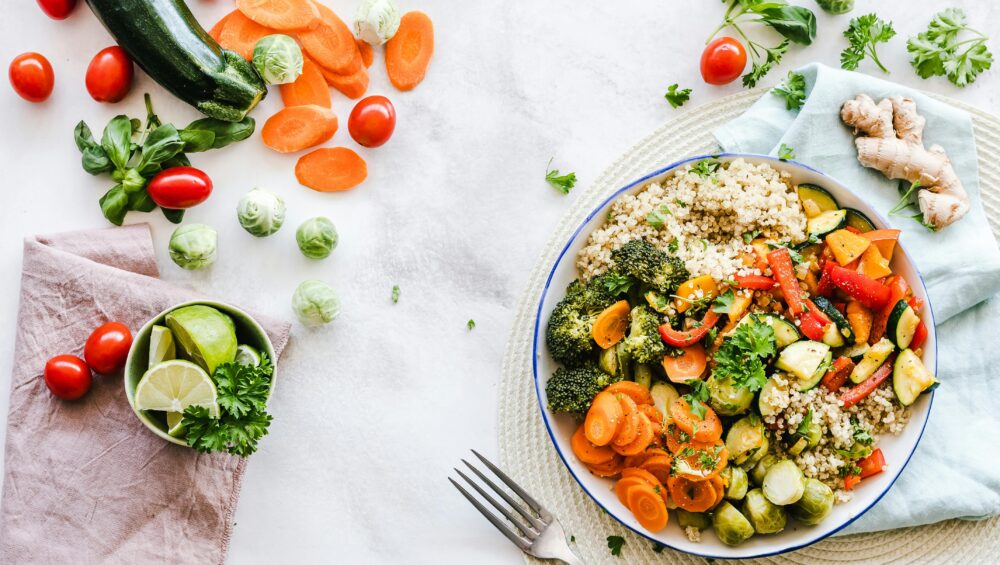
Instructions for making Creamy Broccoli Soup (for 2-4 people):

Ingredients:

1/2 cup chopped onion/shallot

1/4 cup finely chopped carrots

3 cloves minced garlic

5 cups broccoli florets

1 cup cauliflower White

2 cups diced potatoes

3 1/2 cups broth or water

1 1/4 tsp dried thyme + 1 1/4 tsp dried oregano

1 1/4 tsp paprika

Sea salt/pepper (optional)

2 tbsp parsley (for garnish)

Instructions:

– Sauté onion and carrots until translucent (about 2–3 minutes). Add garlic and sauté for 1–2 minutes until fragrant.

– Add broccoli, cauliflower, and potatoes to the pot and sauté for 2–3 minutes.

– Pour in broth or water. Add thyme, oregano, and paprika. Bring to a boil, then reduce heat to low.

– Cover and cook until vegetables are tender (about 15–20 minutes).

– Set aside 2 cups of vegetables in a separate bowl. Use an electric hand blender (or a food processor) to blend the soup directly in the pot until smooth and creamy. Be careful as the soup is hot.

– Return 1 and 1/4 cups of the removed vegetables to the pot and stir well. Season with salt and pepper if desired.

Ladle into bowls, sprinkle with the remaining vegetables and parsley (if desired). Serve immediately!

Cat’s Claw

This is a tropical herb mentioned by Anthony William as a notable “ally” for those dealing with persistent inflammation and various long-term health problems.

According to the book, Cat’s Claw is described as assisting the body in “dealing” with pathogens (such as certain viruses/bacteria/parasites), and can help with everything from neurological to digestive symptoms, suggesting it as a worthwhile option in a daily herbal health regimen.

:b Some tips for maximizing benefits and specific recommendations can be found in Anthony William’s “Life-Changing Foods (Supplemented and Extended Edition)”.
Full Vietnamese content about Cat’s Claw:
https://docs.google.com/…/1p6-sJ1A4ixED6l6…/edit…
Reference recipe for Cat’s Claw tea (one serving):
2 teaspoons of Cat’s Claw tea (or 2 squeezes of liquid Cat’s Claw)
1 cup of hot water (purified or spring water)
1-2 teaspoons of pure honey (optional)
1-2 teaspoons of fresh lemon juice (optional)
Instructions: Put the tea in a cup and pour hot water over it, steep for 15 minutes, then strain. Add pure honey and lemon juice to taste (if using). Drink immediately.
Note: If using liquid Cat’s Claw, mix with lukewarm water for maximum effectiveness.

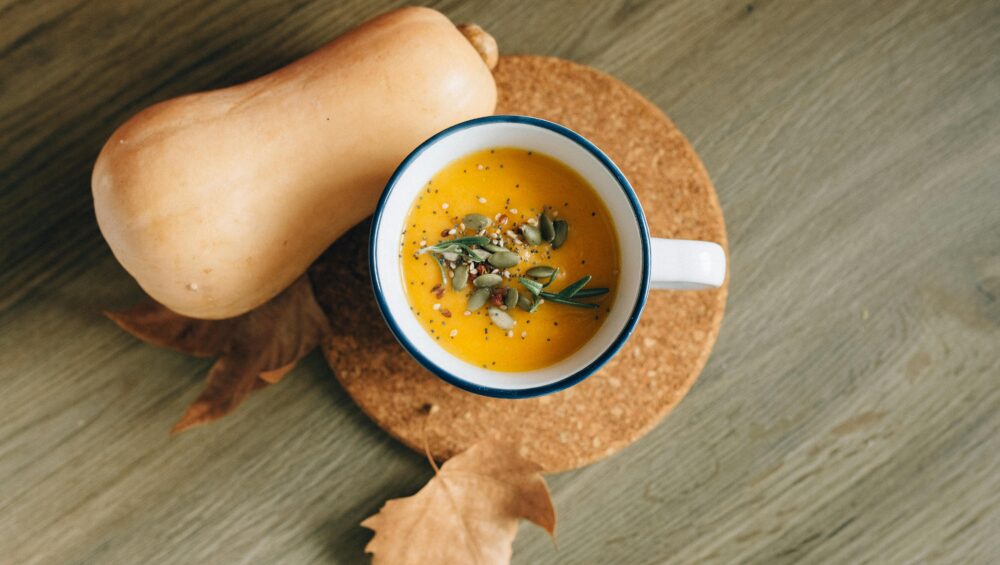
KABOCHA PUMPKIN SOUP

A “warm hug in a bowl” for Christmas days calls for something smooth, fragrant, and nutritious. The rich flavor of kabocha pumpkin combined with garlic, onion, and curry creates a warm and comforting sensation. This dish is also perfect for meal prep because it can be cooked and frozen.

Kabocha Pumpkin Soup Recipe:
– 1 medium kabocha pumpkin
– 3 cups vegetable broth
– 1 cup diced onion
– 4 cloves minced garlic
– 1 teaspoon curry powder
– ½ teaspoon sea salt
– ½ lemon (juiced)
– ¼ teaspoon chili powder (optional)
– ½ cup water
Instructions:
Boil the whole pumpkin (with stem) in a pot of boiling water for 10 minutes, flipping halfway through. Remove and let cool.

Peel, halve, remove seeds, and cut into small cubes (about 4 cups).
Add the pumpkin and other ingredients to a pot. Bring to a boil, then reduce heat and simmer for 15–20 minutes until the squash is tender.
Peel until smooth (remember to leave room for steam to escape). Serve hot, sprinkle with chili powder if desired.

Select the fields to be shown. Others will be hidden. Drag and drop to rearrange the order.
  • Image
  • SKU
  • Rating
  • Price
  • Stock
  • Availability
  • Add to cart
  • Description
  • Content
  • Weight
  • Dimensions
  • Additional information
Click outside to hide the comparison bar
Compare
Shopping cart close